Vienna
Some Cities Become Part of Who We Are
There are places we visit, places we admire, and places that somehow become part of our lives. For me, Vienna has always been one of those places.
My story with this city began with music. What followed were years of learning, familiar walks, extraordinary people and small everyday rituals that I still remember with affection. Vienna has remained part of my life ever since. I return as often as three times a year — not simply to admire its beautiful buildings, but because the city still feels wonderfully familiar, almost like another home.
This is not a guide to Vienna. It is a collection of places and memories that have stayed with me — and a love story that continues.
A City That Changed My Life
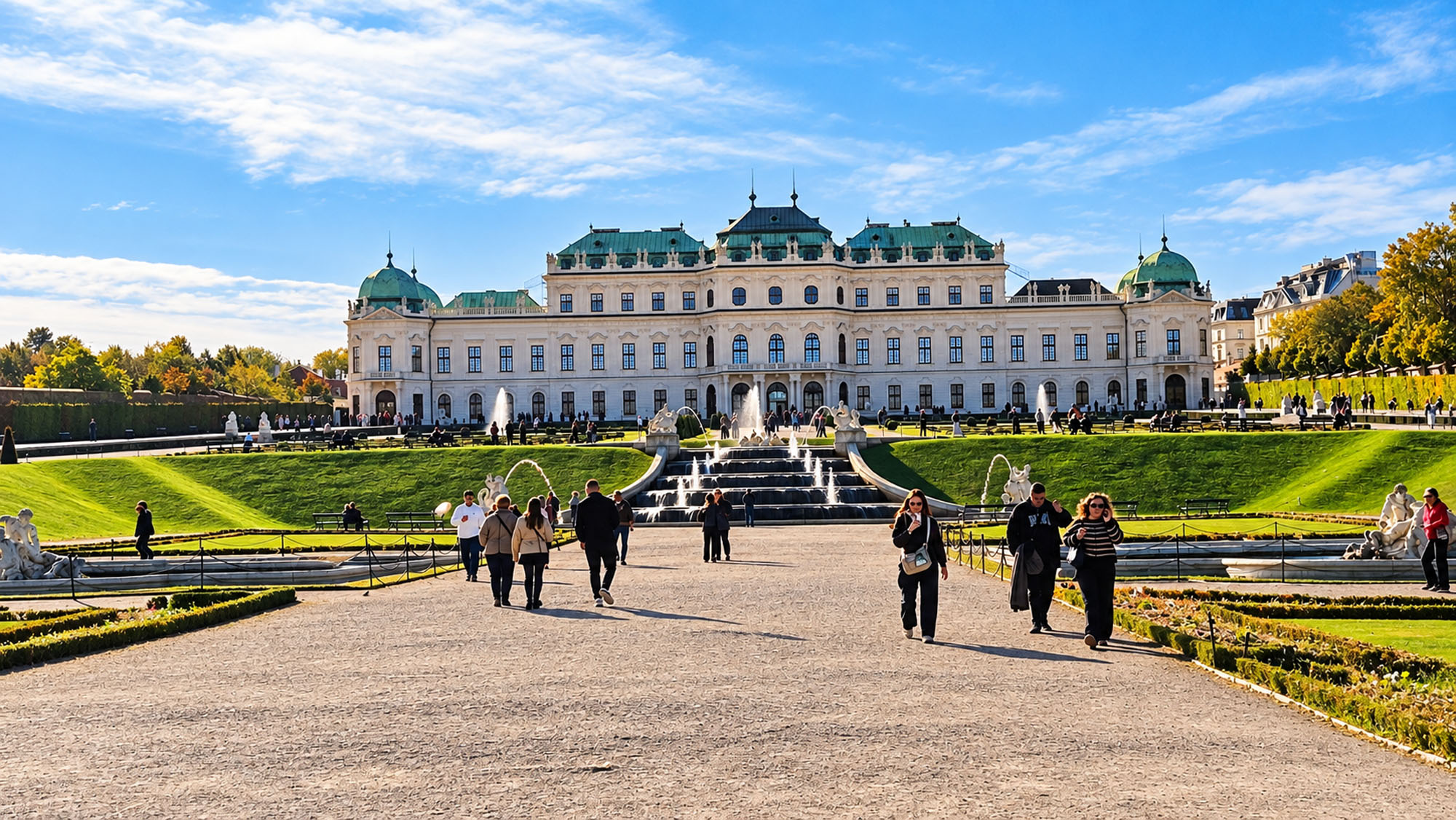
In 1992, I came to live in Vienna, close to the Belvedere, on Prinz-Eugen-Strasse. It was a wonderful place to begin a new chapter of my life.
Even today, walking through these gardens brings back the feeling of those years. The city has changed, of course. But there are corners of Vienna where time seems to move a little differently.
My Vienna Began at Café Aida
Some of my happiest memories are not grand occasions, but the simplest routines.
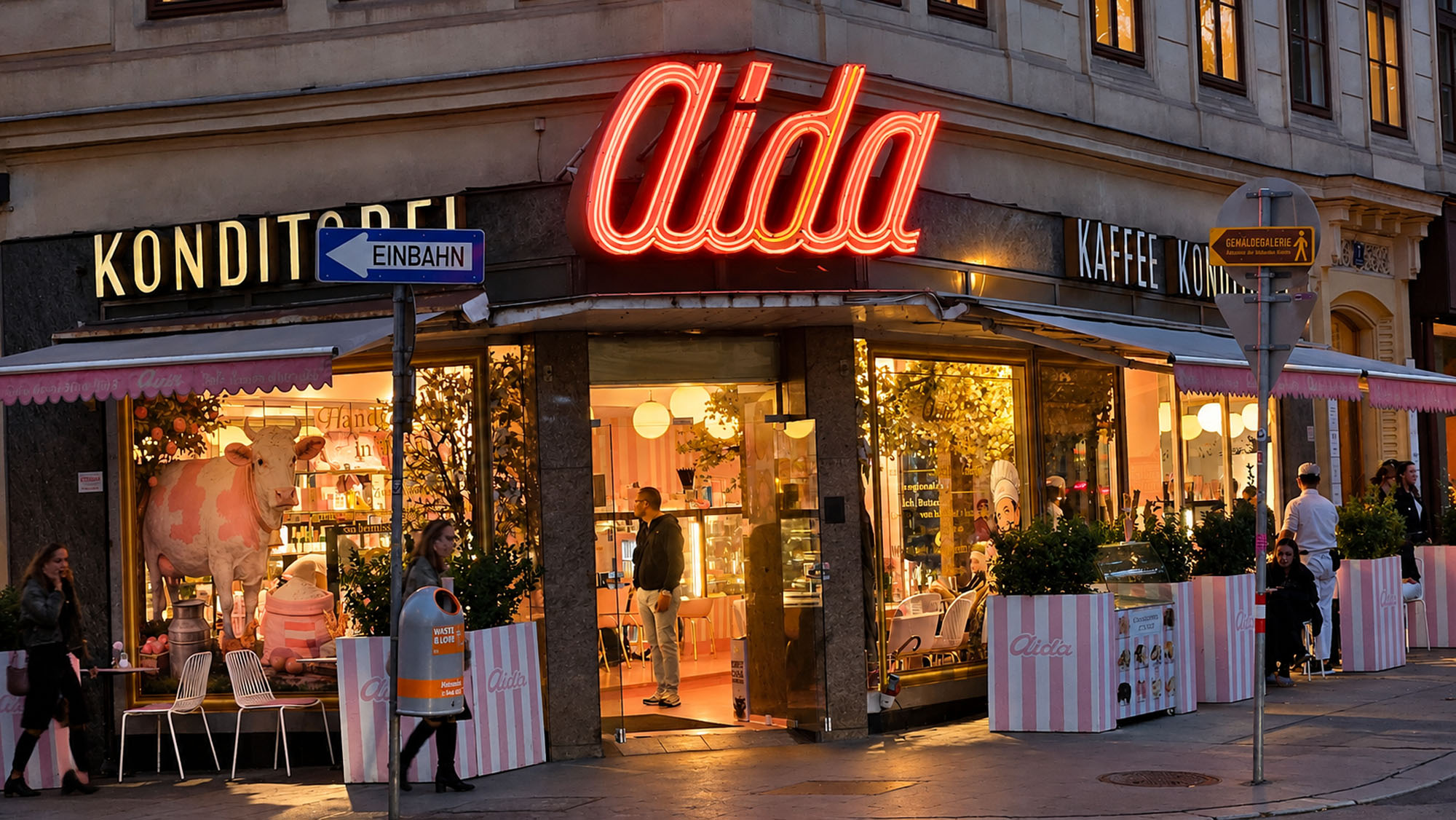
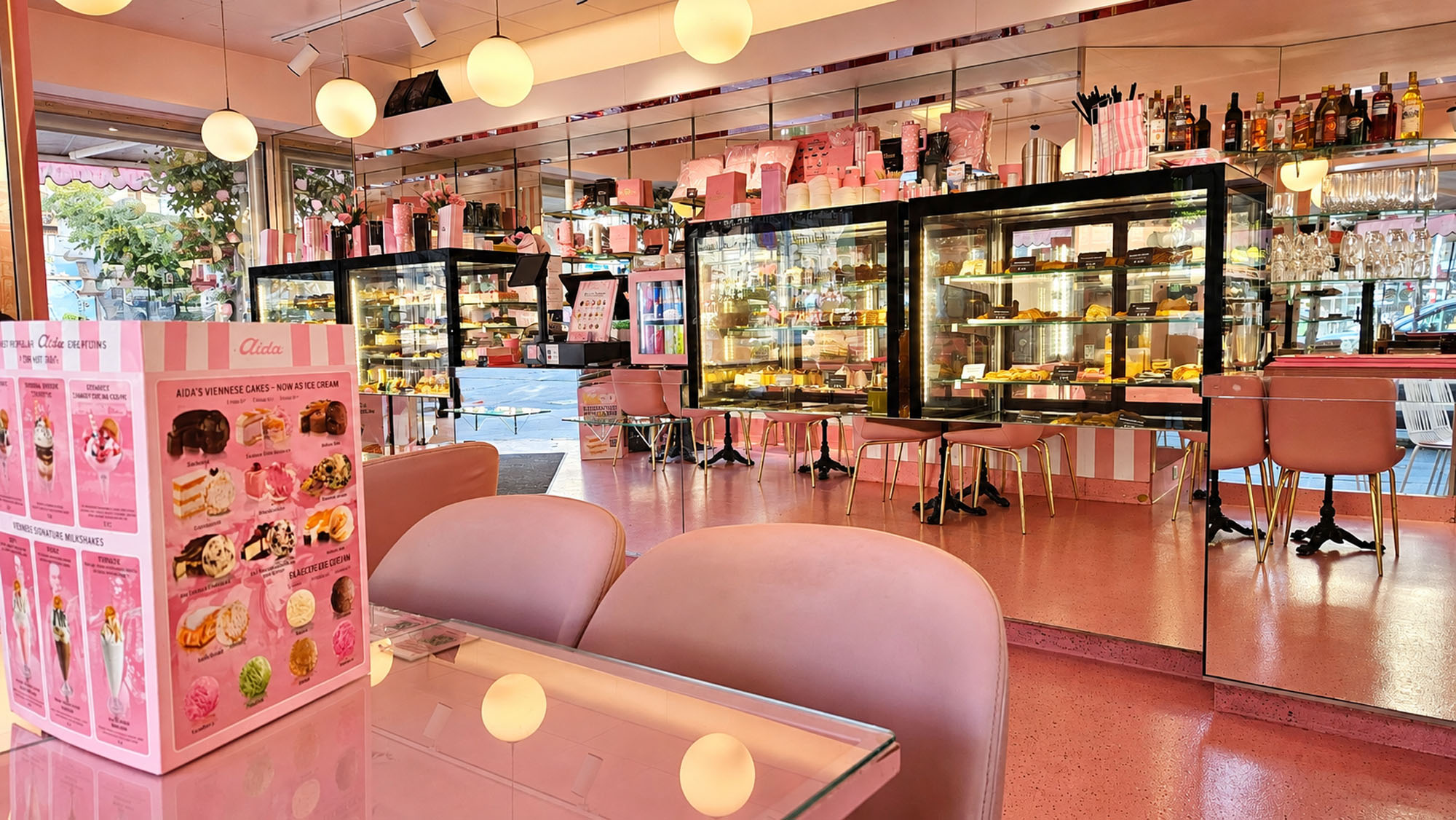
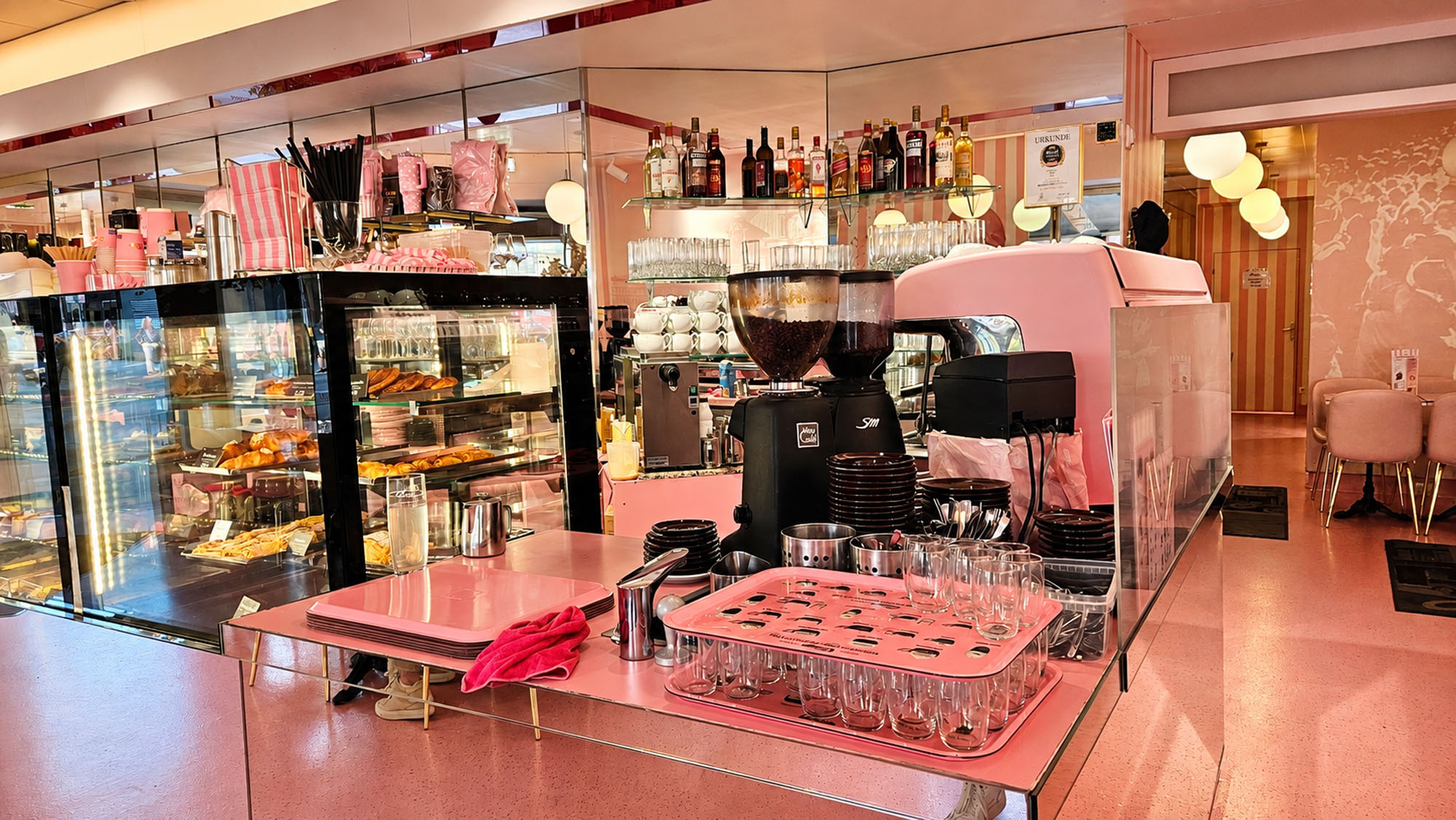
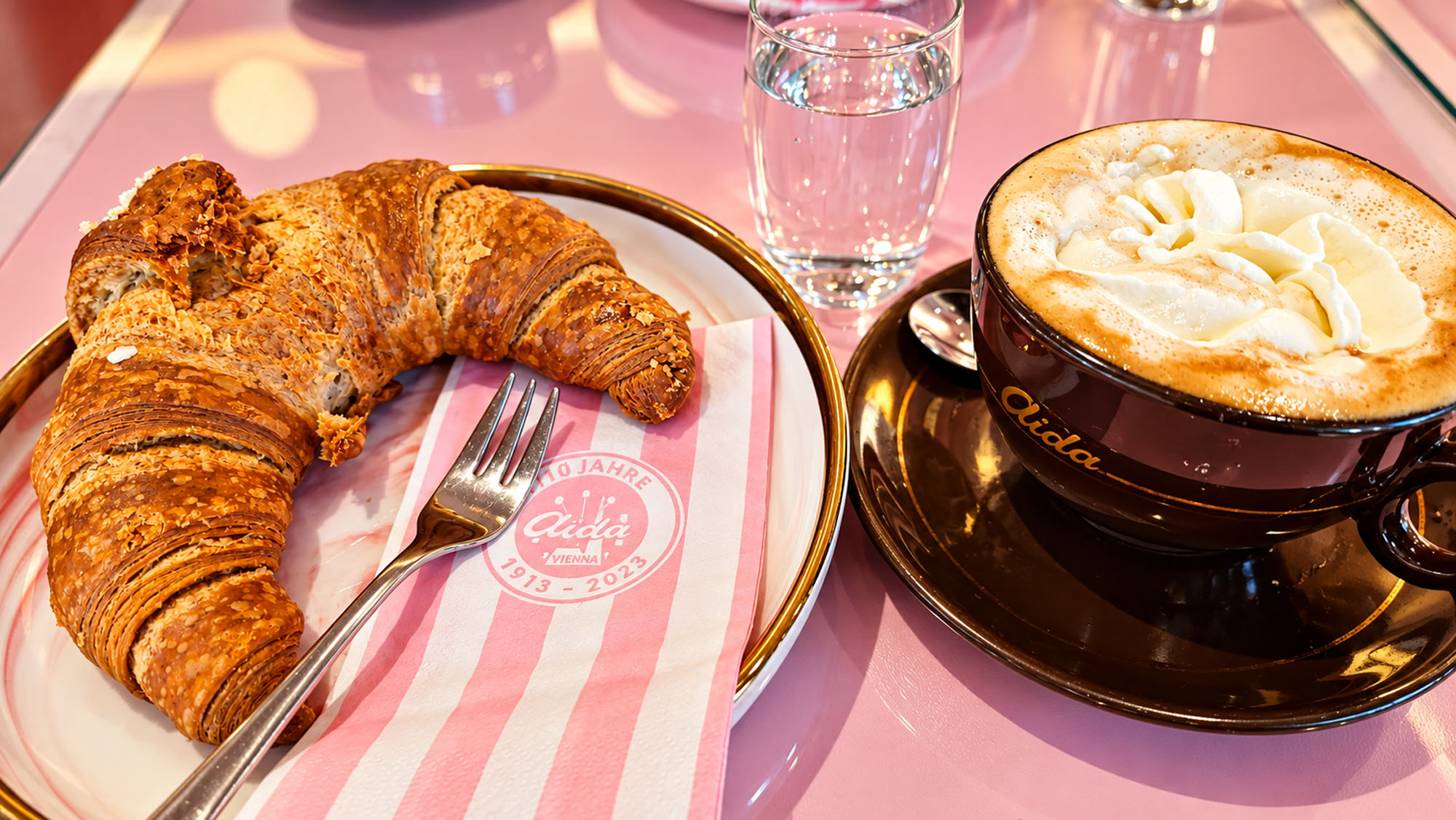
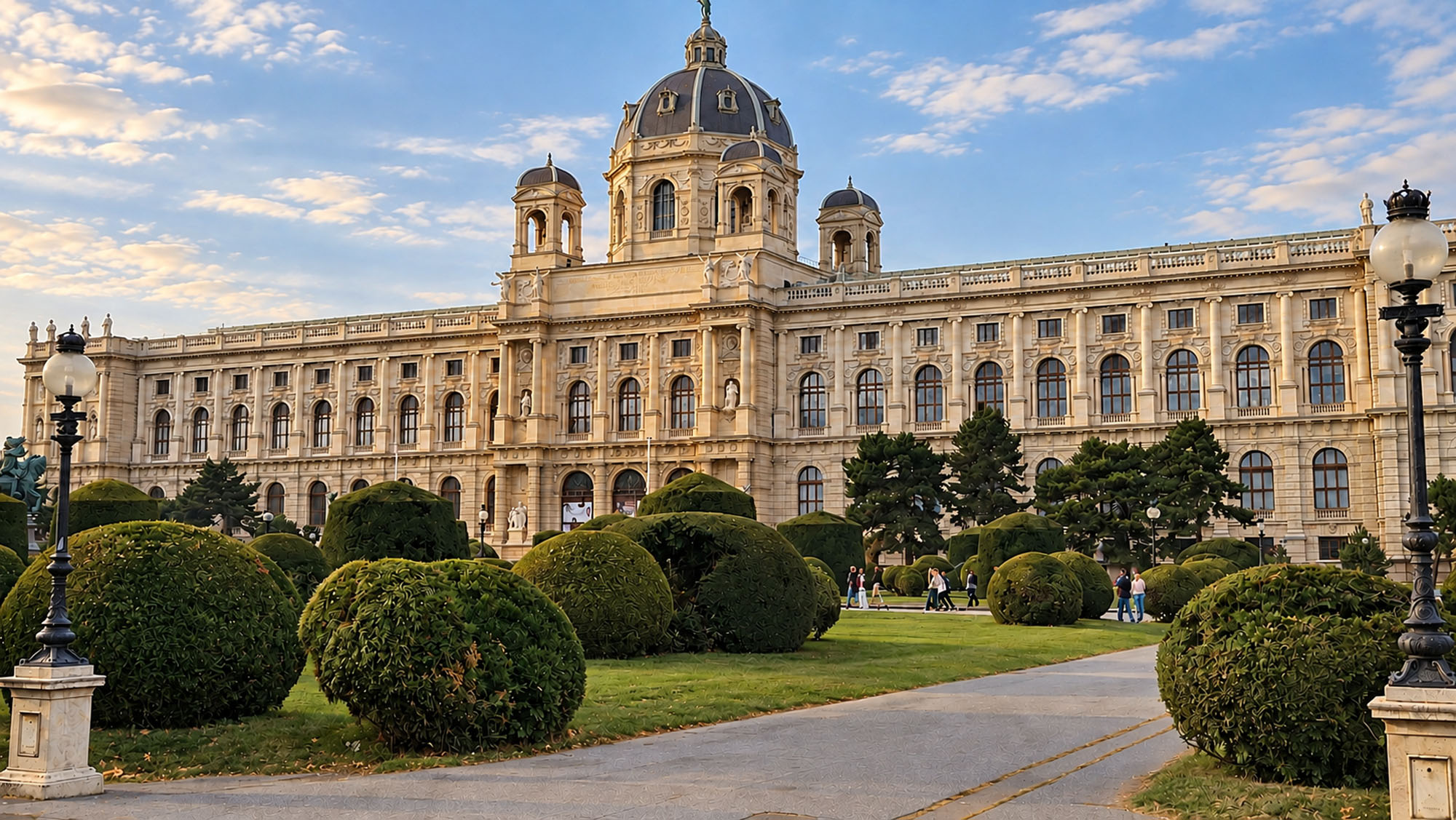
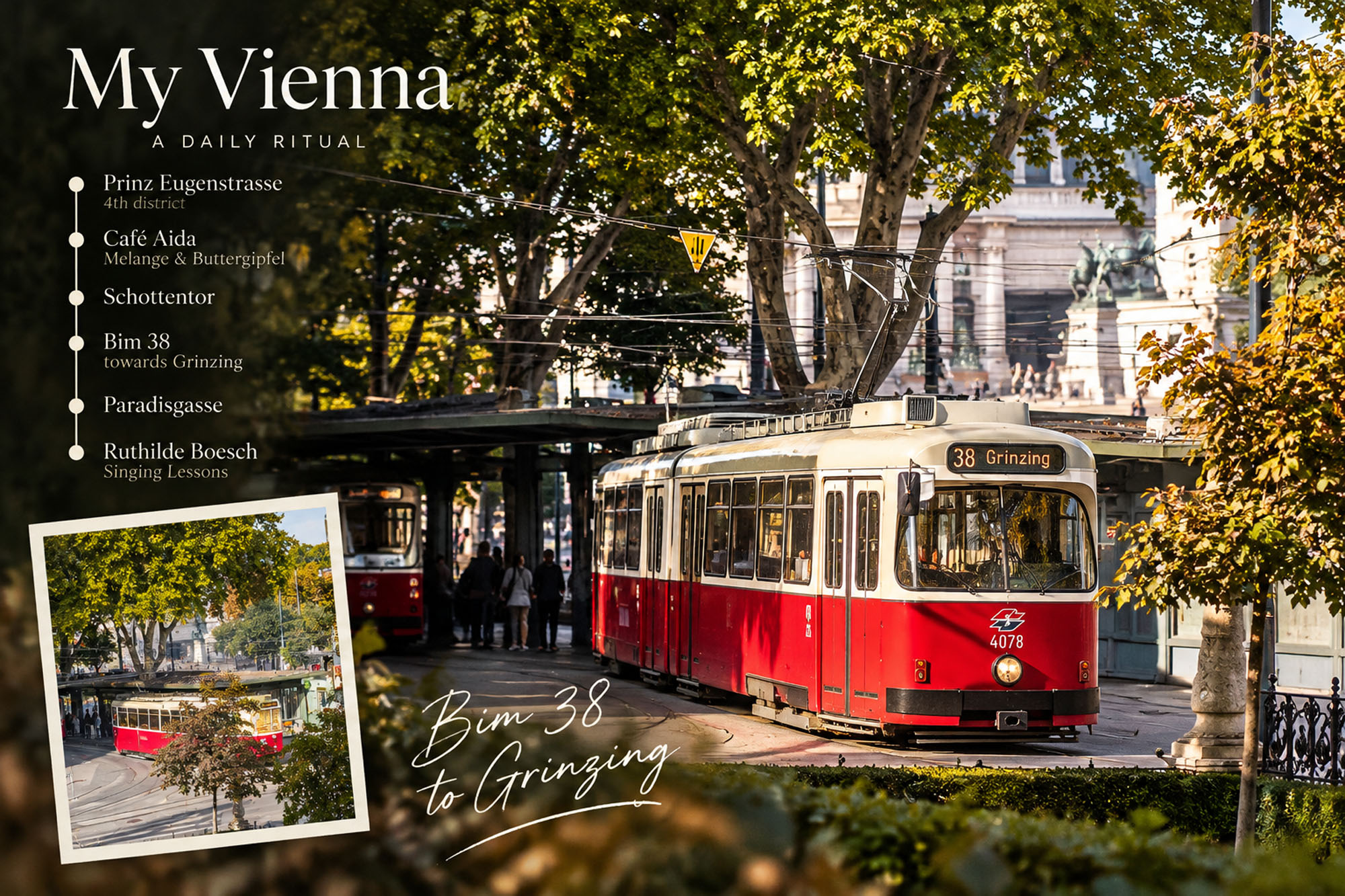
From my apartment near the Belvedere, I would walk towards the State Opera and stop at Café Aida. A Melange, a Buttergipfel, a moment to watch Vienna waking up — and then it was time to continue towards Schottentor and the tram to Grinzing.
Aida became more than a coffee stop. It belonged to the rhythm of those years, and to the people and conversations connected with my journey to Ruthilde Boesch. Over the years, I also brought other singers and people interested in meeting her along with me. Sometimes we would meet at Café Aida first, share a coffee and then make our way together towards Grinzing. I loved introducing others to the remarkable teacher who had become such an important part of my life. Even now, Aida’s unmistakable pink brings those mornings back to me.
Beauty Along the Way
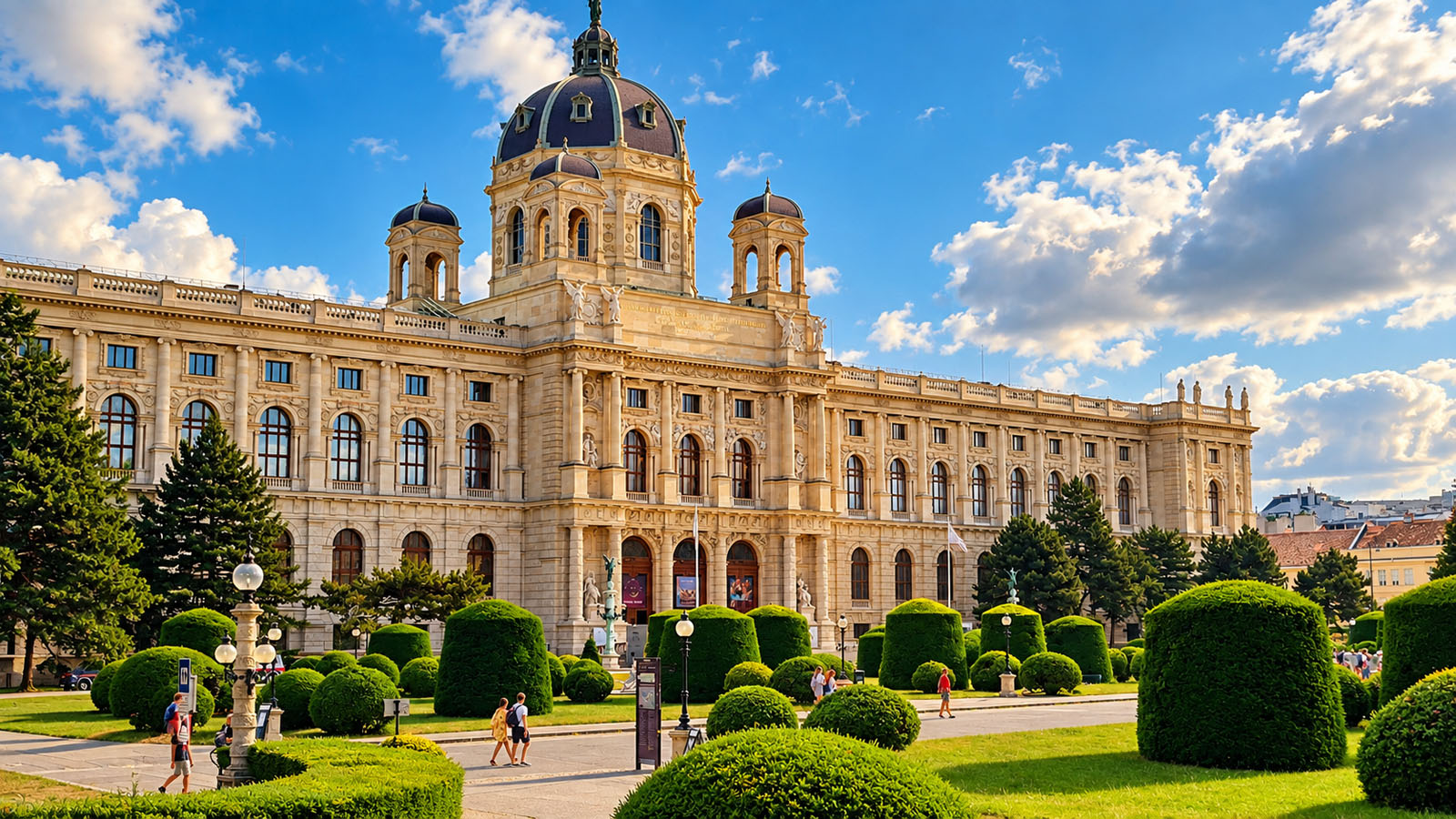
On my way towards Schottentor, Vienna revealed its extraordinary beauty almost without asking for attention. The magnificent museums around Maria-Theresien-Platz were part of a cityscape I never grew tired of seeing.
It is difficult to describe what it means to live surrounded by so much art, history and architecture — not as an occasional visitor, but as part of an ordinary day.
The Bim to Grinzing
At Schottentor I would take the tram — the Viennese Bim — towards Grinzing, then continue on foot to Ruthilde Boesch’s home in Döbling. What may sound like a simple journey across the city became one of the most meaningful routes of my life.
My Years with Ruthilde Boesch
Before Vienna became a city I loved, it was the place where a remarkable woman opened a door for me.
In 1991, inspired by what I had read about Edita Gruberová, I contacted Kammersängerin Ruthilde Boesch. She invited me to audition in Vienna, even arranging for a pianist to be there on a Sunday. She heard a beautiful lyric tenor in my voice — and believed there was much more to discover.
From 1992 onwards, her teaching became central to my life in Vienna. Her standards were high, her ear was extraordinary, and I learned as much from listening to other singers as from my own lessons.
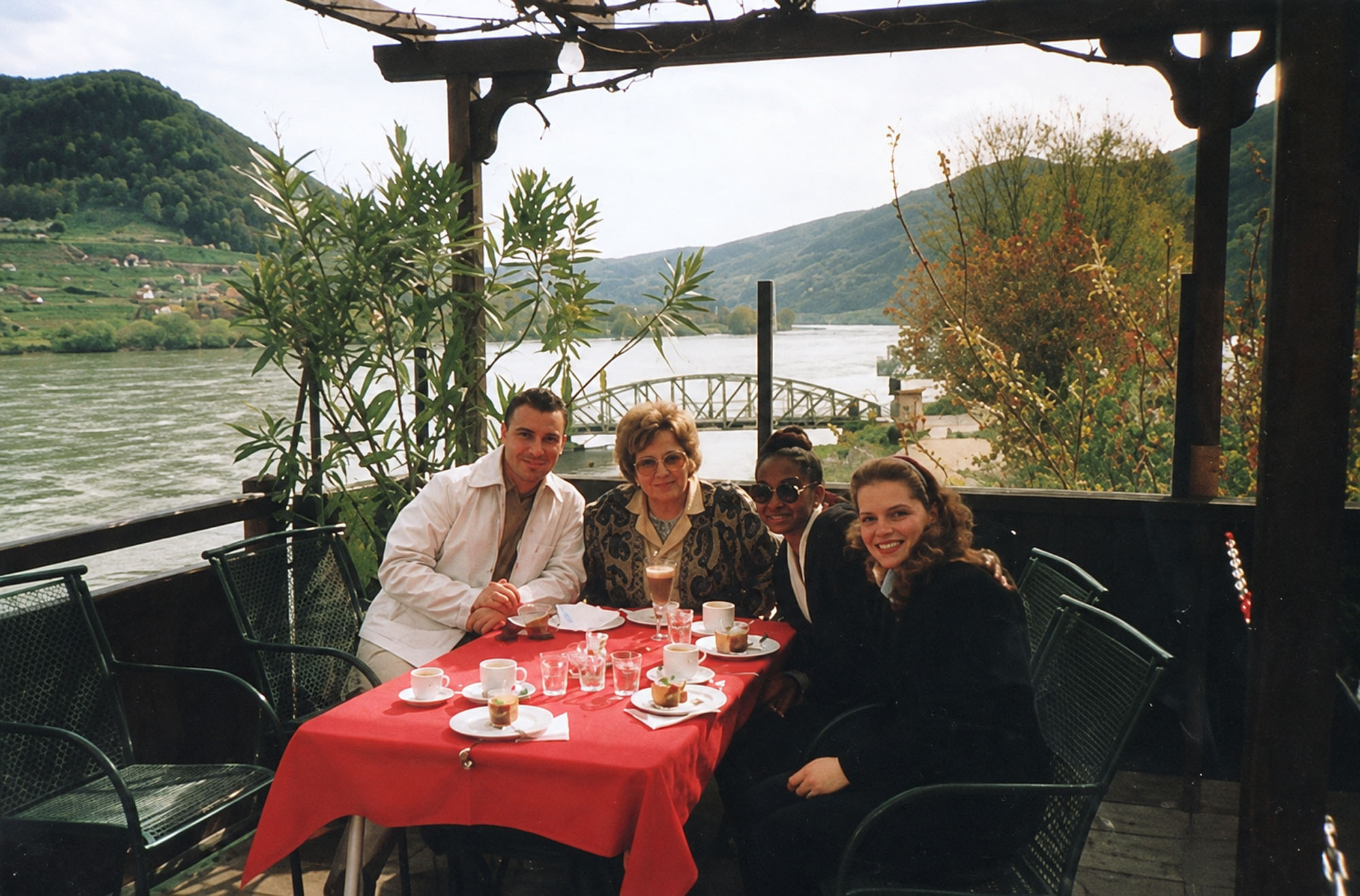
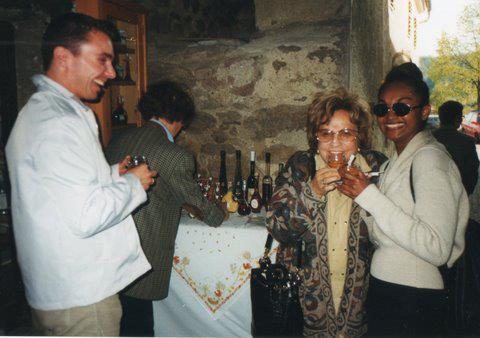
These photographs belong to that very personal chapter of my life: excursions together, shared moments and a summer of music in Campile, Corsica, in 1994. The Corsica photograph shows Kammersängerin Ruthilde Boesch with her students, including soprano Genia Kühmeier and me. Genia was also studying with Boesch at the time and later became an internationally acclaimed soprano.
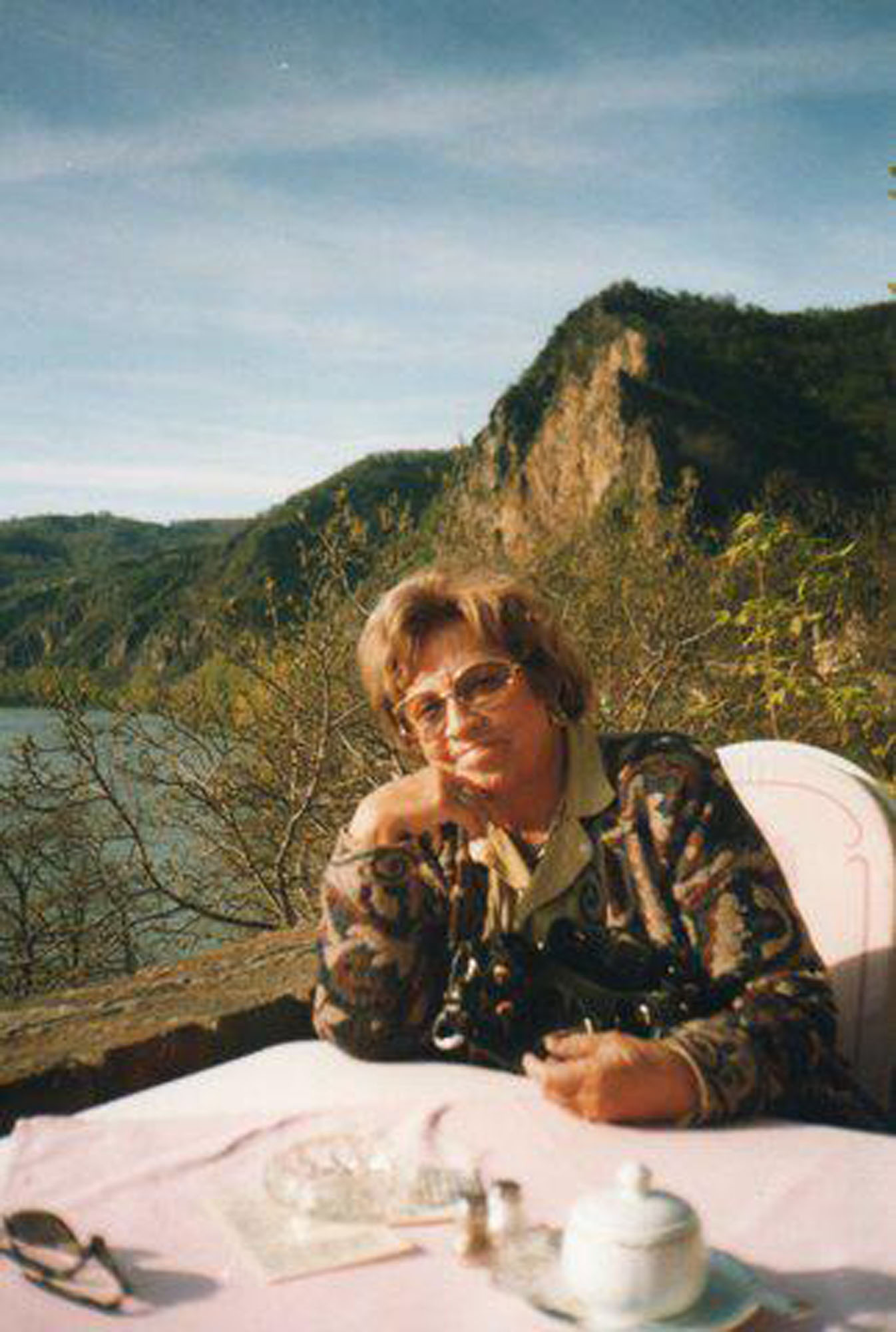
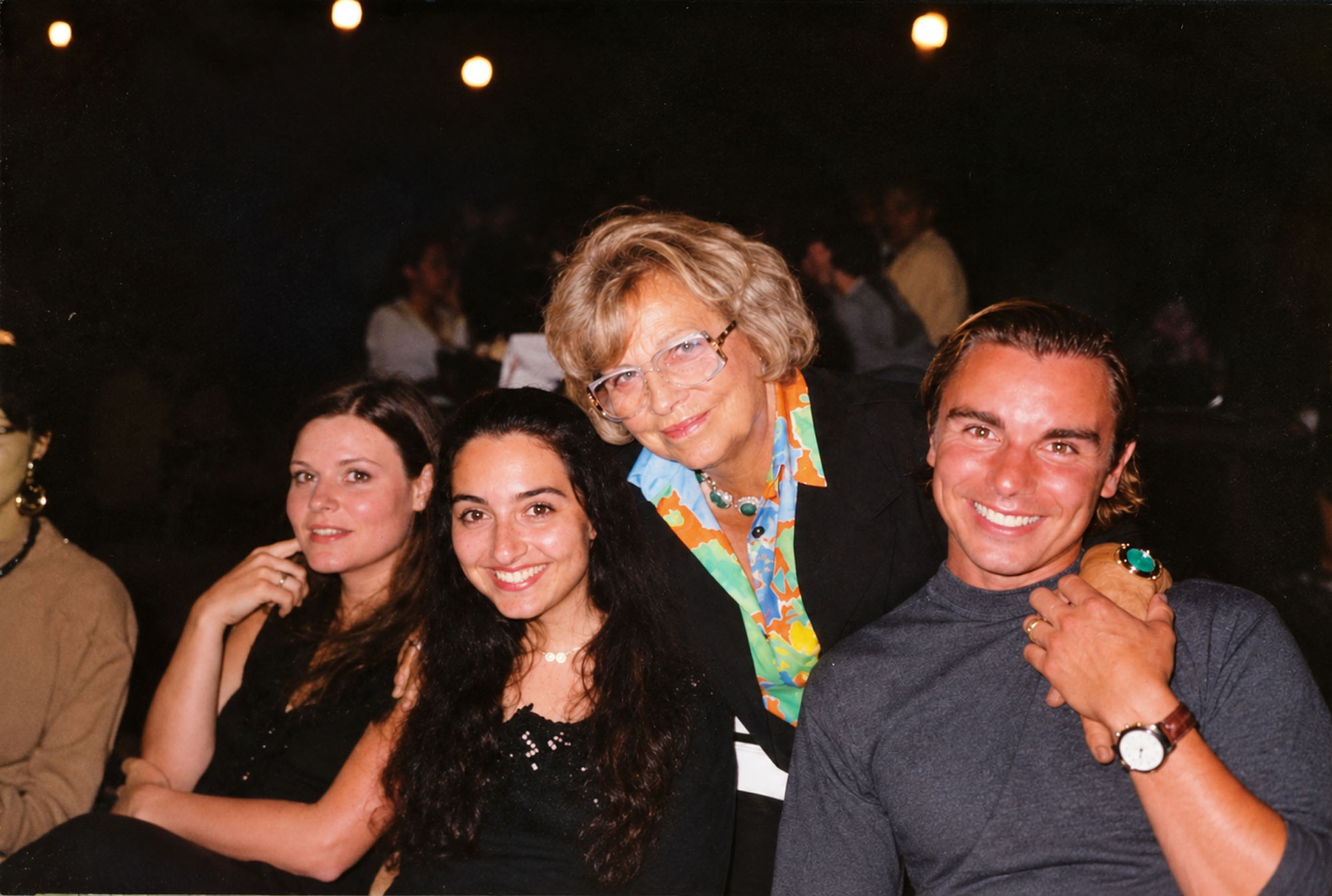
Read my story with Ruthilde Boesch ↓
The First Meeting
It began in 1991. I had read about the great soprano Edita Gruberová and her teacher, Ruthilde Boesch, and something made me pick up the telephone. To my surprise, Frau Kammersängerin invited me to Vienna. The audition took place on a Sunday, with a pianist specially arranged for the occasion.
She described my voice as a very beautiful lyric tenor, but told me that there was still another fifty per cent to be brought out. It was an unforgettable beginning.
A House Filled with Voices
From 1992, I studied with her in Vienna. Her home was in Leopold-Steiner-Gasse in Döbling, and singers from different countries came to work with her. The lessons were demanding, often accompanied by a pianist, and there was always something to learn by listening.
I sometimes stayed from the first lesson until the last. Ruthilde Boesch expected us to listen carefully to one another. There were often visitors in the house, too, who would sit and listen while we sang. Their presence gave the lessons a special atmosphere: we were learning, but we were also sharing music with people who had come simply to listen. That atmosphere — serious, disciplined, yet deeply human — shaped my understanding of singing.
And Then There Was Helena
Helena, who looked after the household, was another unforgettable part of those years. She was kind to me, and the warmth of her kitchen offered a lovely contrast to the intensity of the lessons. I had trained as a chef before turning fully to music, and perhaps that gave us an additional connection.
I can still see her smile as she lured me into the kitchen: “André, come here — I have something for you!” There was usually a little treat waiting for me to taste. She knew that I had trained as a chef, and perhaps that was our own special understanding. I also remember the occasional invitation to lunch with great affection. These small, warm moments are every bit as precious to me as the lessons themselves.
Summer in Corsica · 1994
In the summer of 1994, I took part in a masterclass with Ruthilde Boesch in Campile, Corsica, where she had a home. We were a group of singers, studying together, listening to one another and sharing music in a very different setting from Vienna. I still remember a gathering in the village, where we sang a cappella, surrounded by the atmosphere of a Corsican summer.
A Connection That Remained
Years later, I came to know Edita Gruberová personally. We shared our gratitude for Ruthilde Boesch. Edita spoke of how deeply her teacher had changed her life and of the importance of Vienna to her extraordinary career.
Ruthilde Boesch died in Vienna on 20 January 2012, at the age of 94. I have continued to visit Vienna regularly over the years, sometimes as often as three times a year. I often visit her grave at Grinzinger Friedhof, where other well-known Viennese figures, including Peter Alexander, Paula Wessely and her husband Attila Hörbiger, also rest. The house in Döbling where I once studied with her no longer stands. I have chosen not to search for a building that has disappeared. Some places are gone, but the people, the voices and the memories remain.
Ruthilde Boesch · Her Voice Lives On
Beyond the lessons and the memories, there is the music itself. This recording offers another glimpse into the extraordinary musical world of Kammersängerin Ruthilde Boesch — a voice and a teacher who helped shape my life.
Video via YouTube · Watch on YouTube ↗
And the Love Remained
Music brought me to Vienna. But music alone cannot explain why, more than three decades later, I still return.
Somewhere between the lessons in Döbling, my morning walks through the city, a Melange at Aida and everyday life near the Belvedere, Vienna became something more. It became one of the places where I have always been happy.
There is beauty everywhere here — in grand architecture, in quiet gardens, in old cafés, and in the simple pleasure of taking the time to look around.
Walking Through Beauty
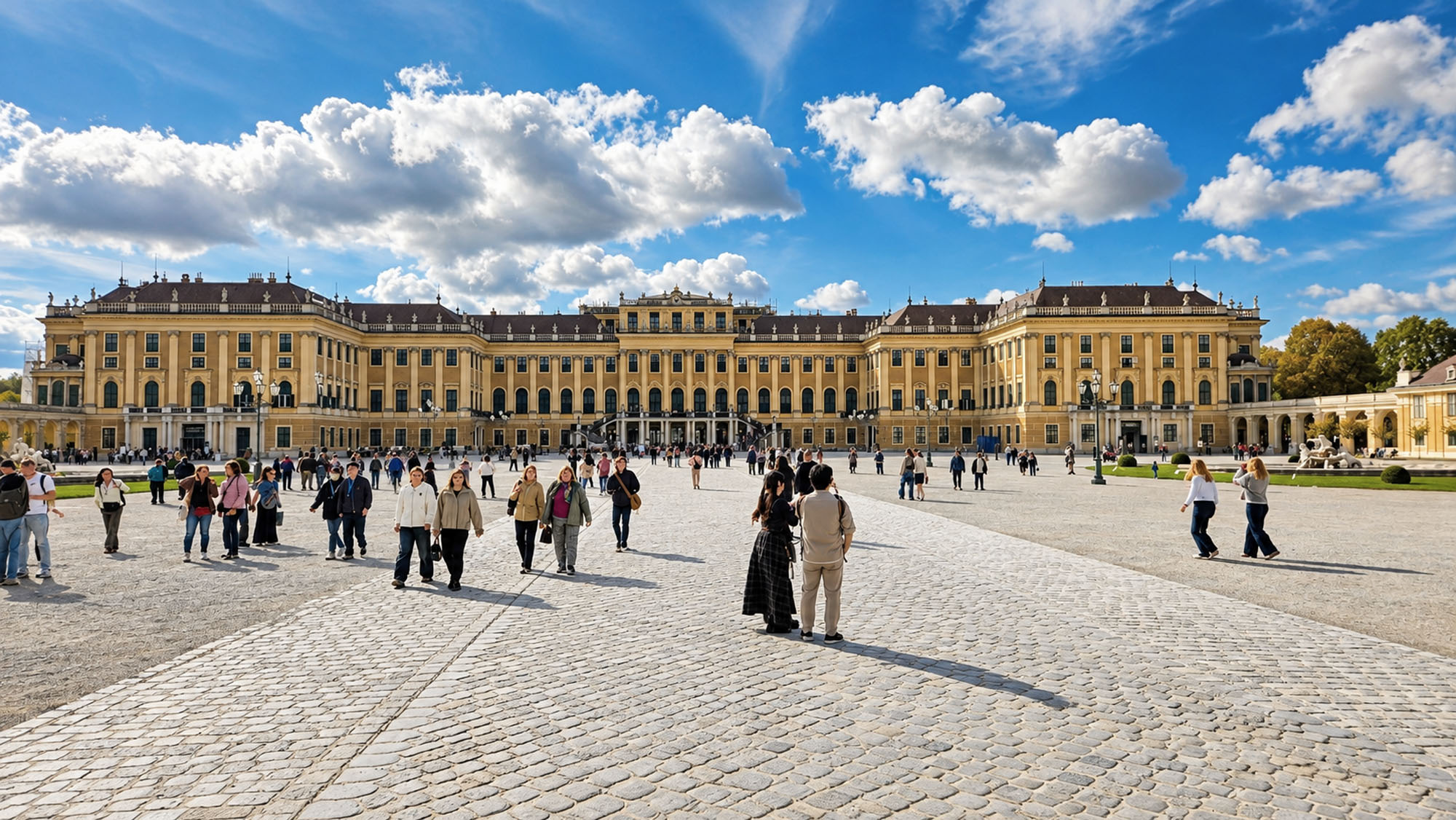
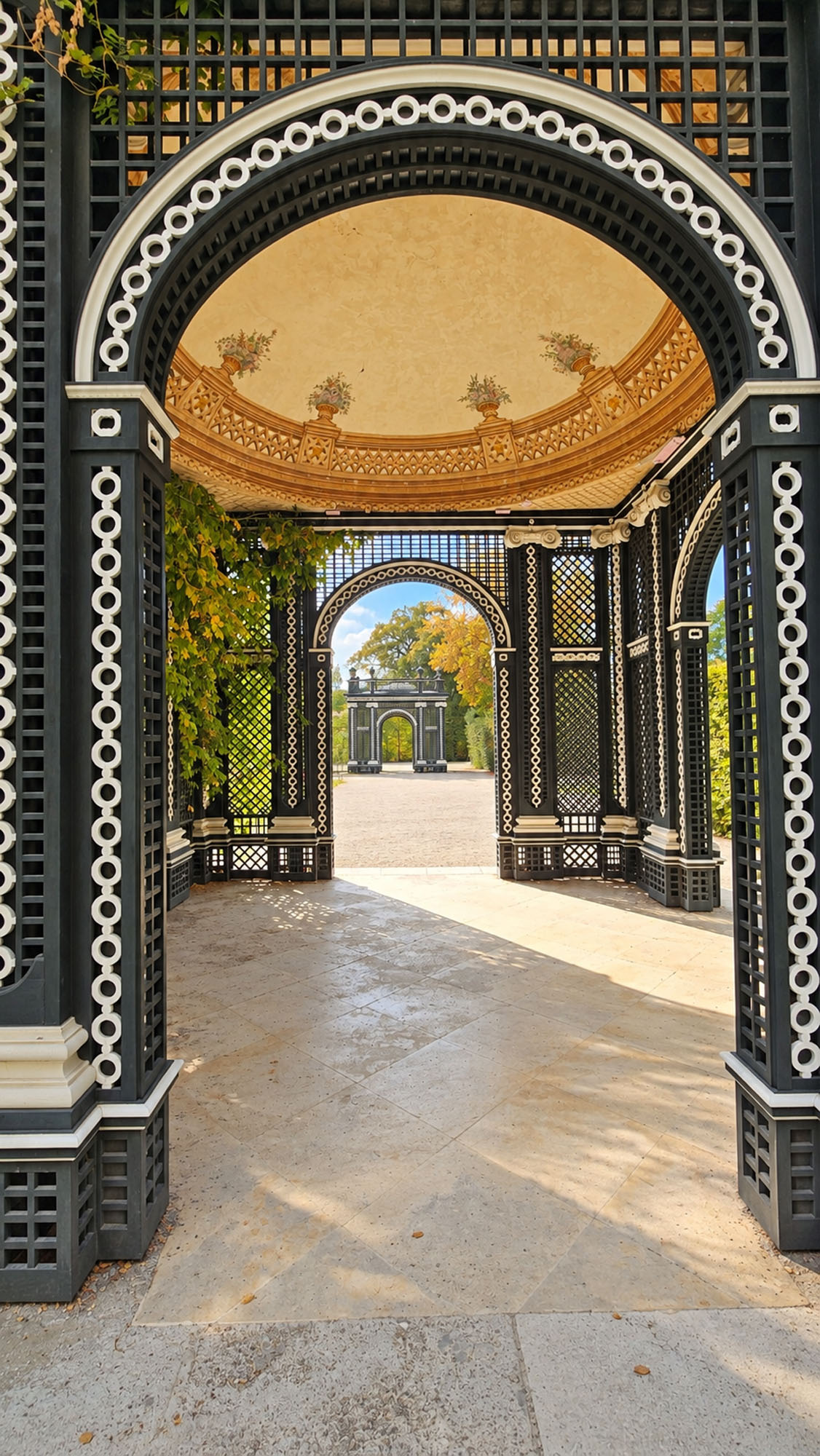
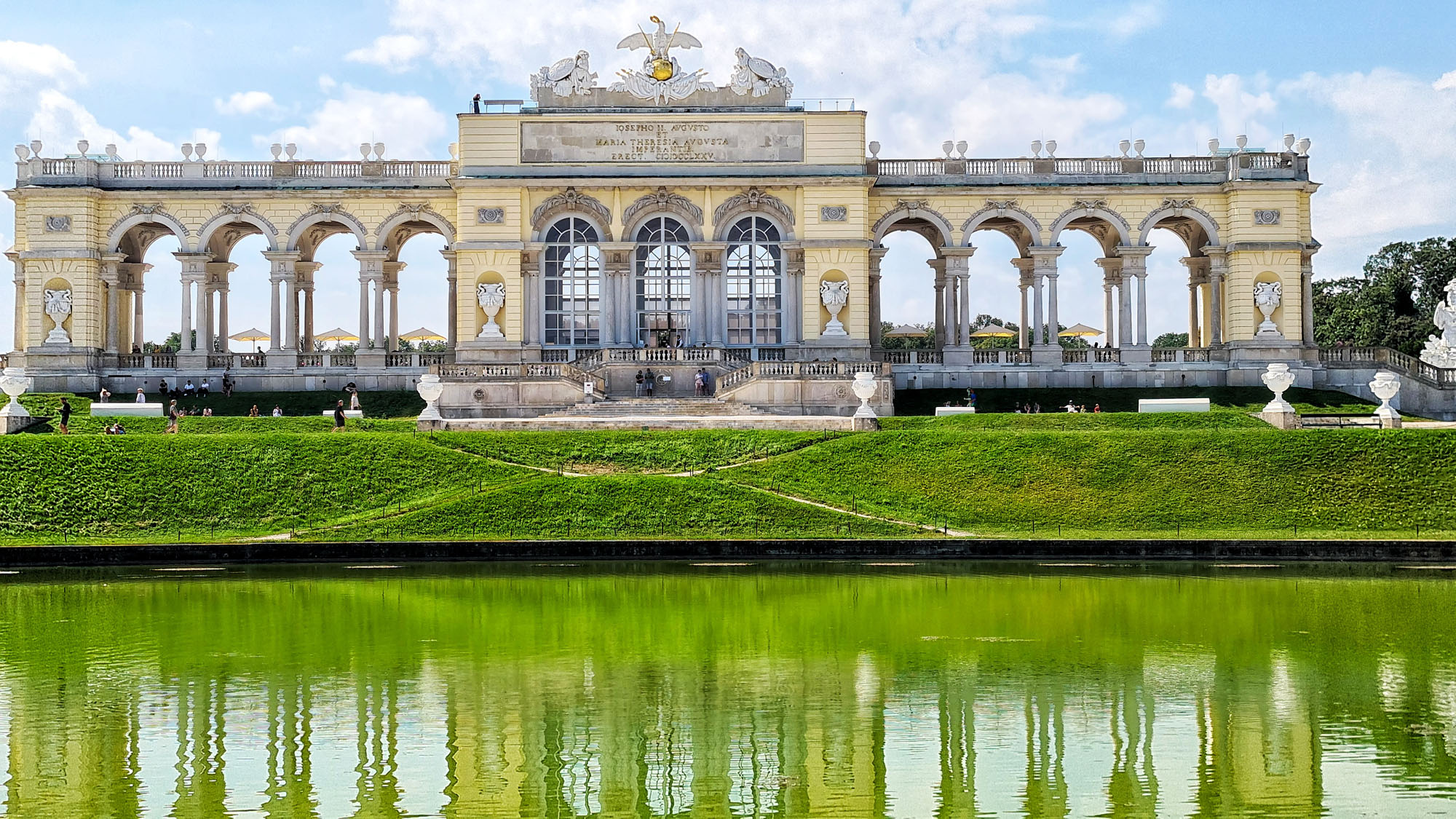
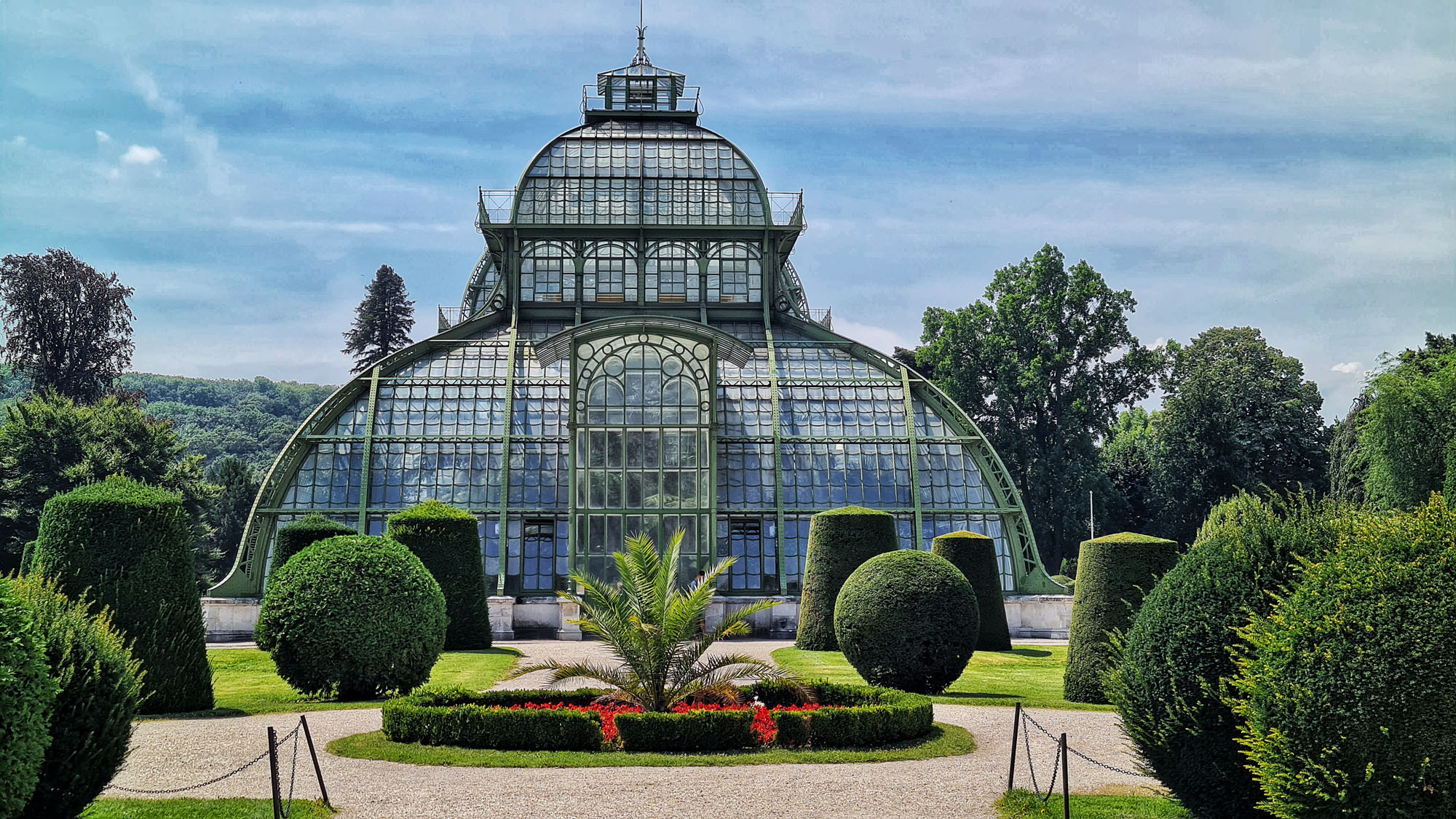
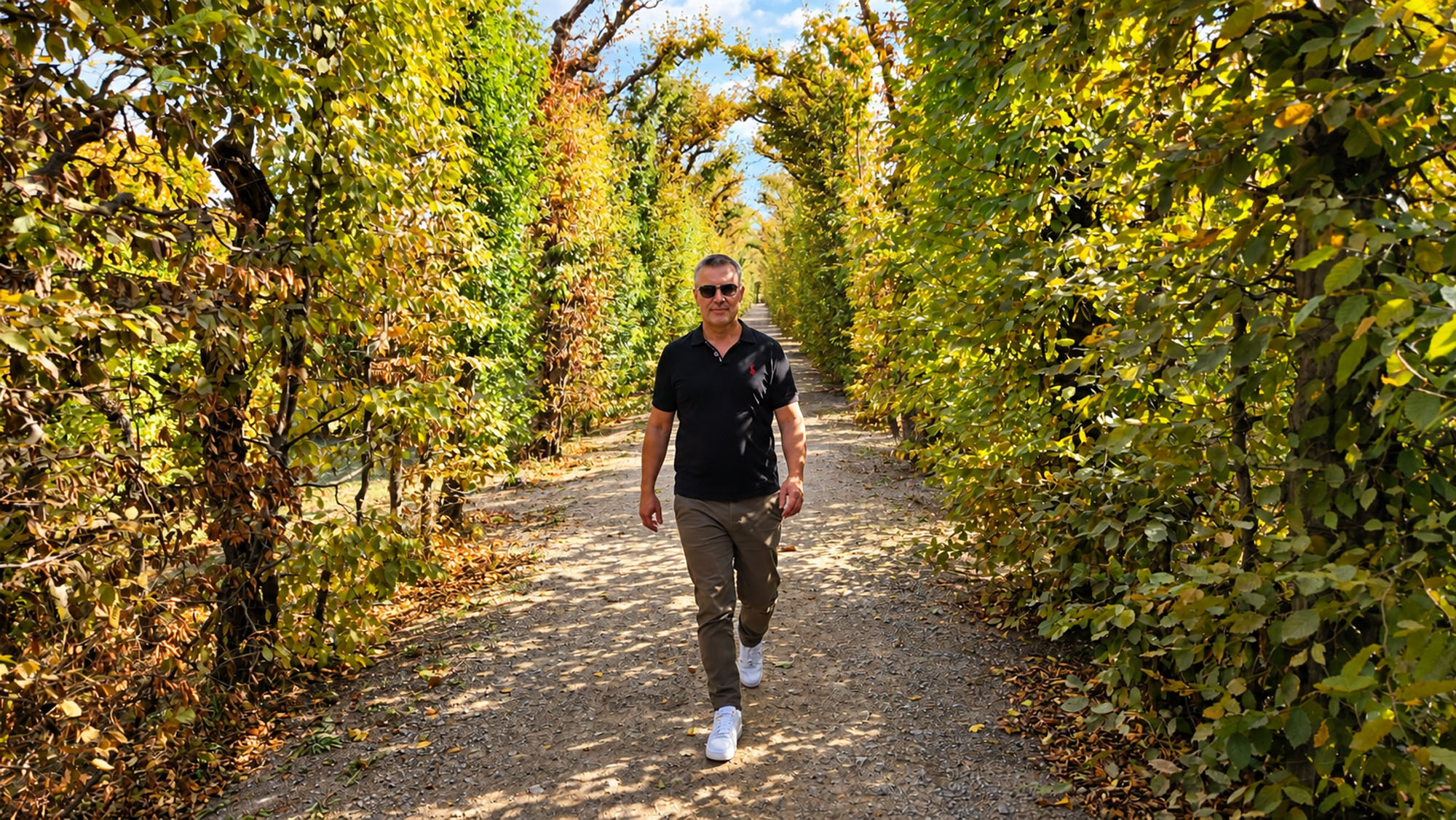
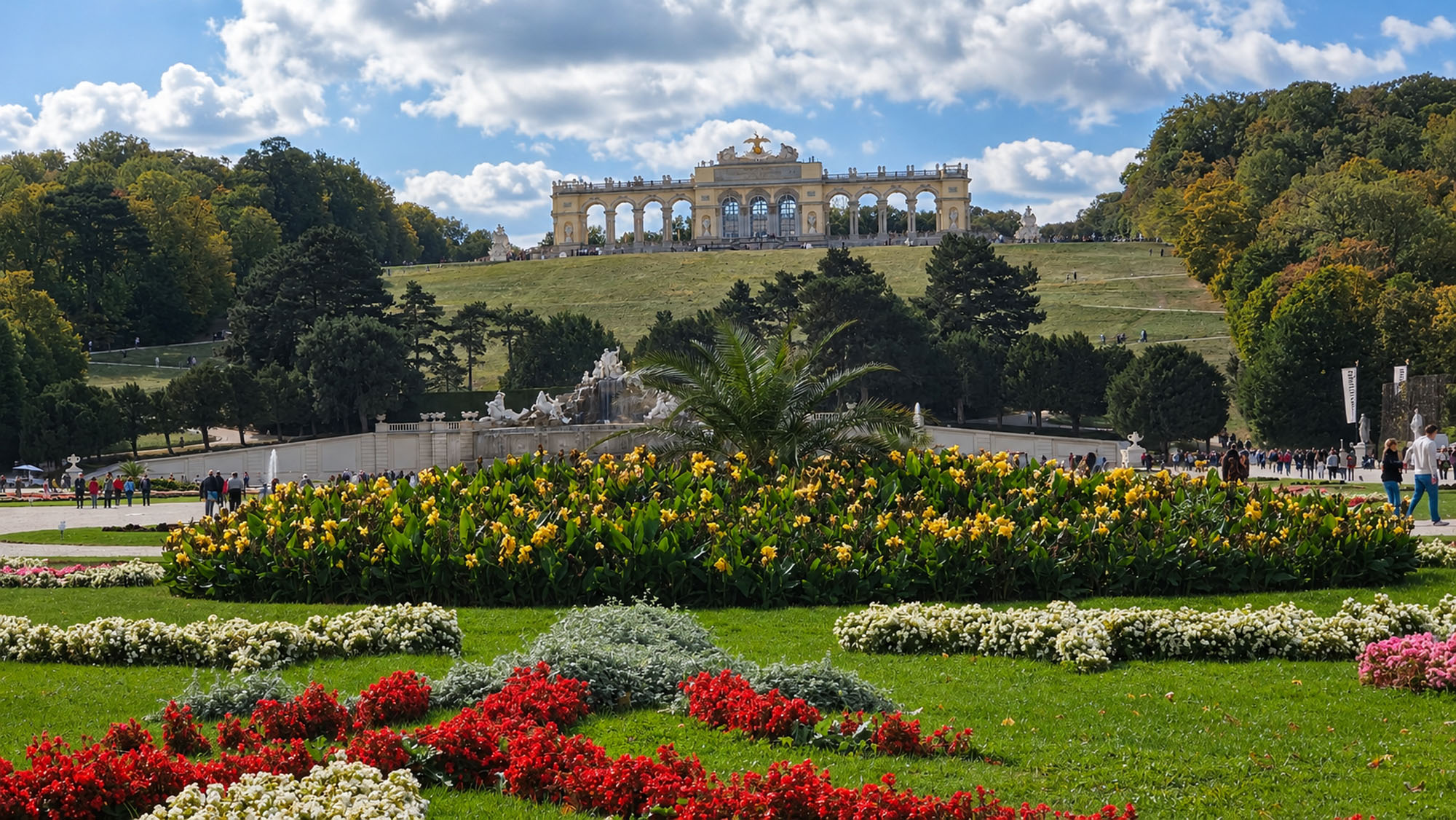
Schönbrunn is one of those places where I could walk endlessly, in any season.
The palace, the gardens, the Gloriette, the quiet paths and the changing light — each visit offers something new. I often find myself thinking about the generations before us, and the extraordinary beauty, art and craftsmanship they have left behind.
To walk here is to be surrounded by history without feeling that it belongs only to the past. It is alive in the landscape, in the architecture and in the pleasure people still take in these gardens today.
In the Prater, the Trees Bloom Again
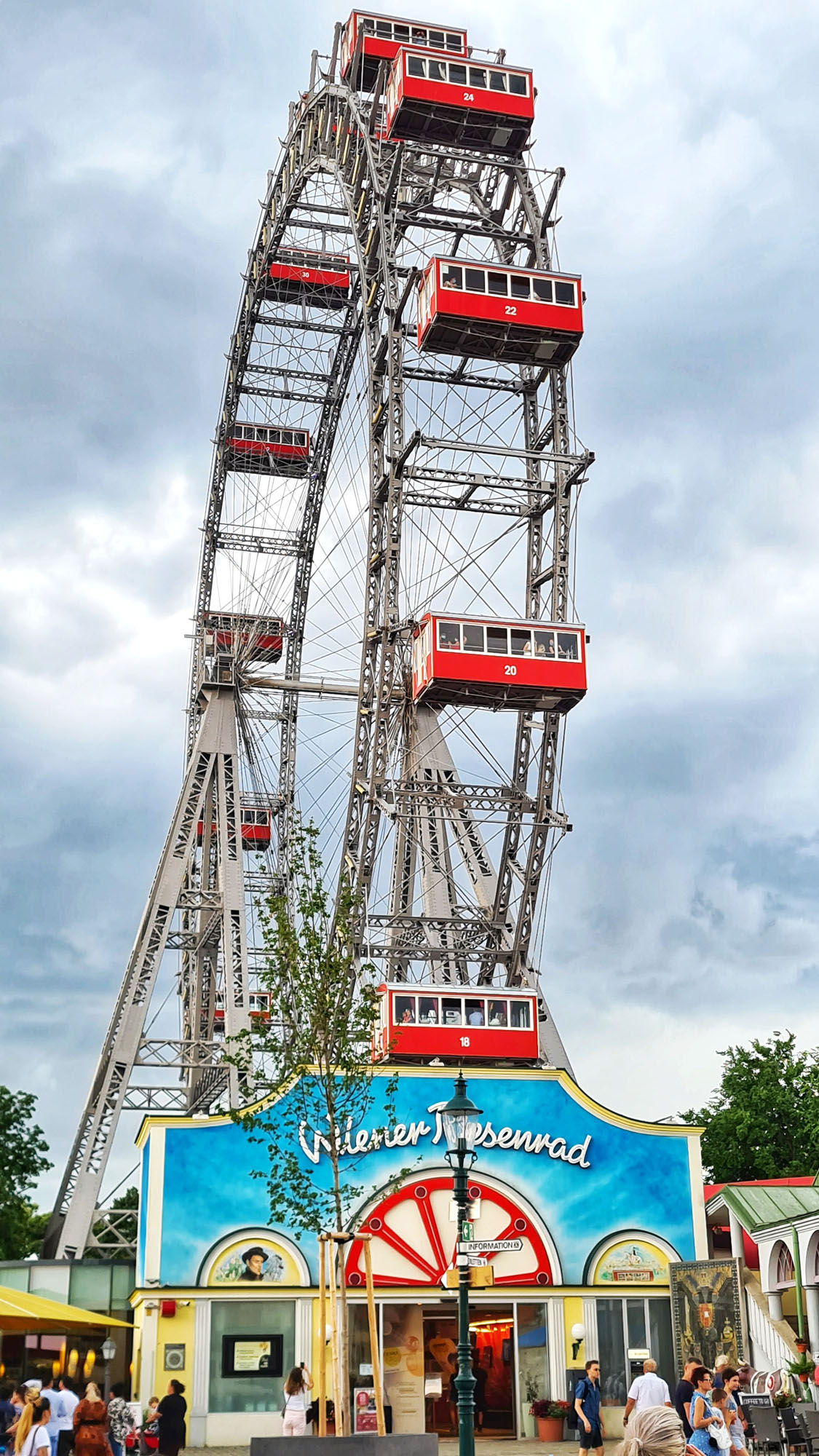
Vienna has another side, too: playful, musical and full of life. The Prater belongs to that Vienna. There is something wonderfully nostalgic about its famous giant Ferris wheel, the laughter, the movement and the feeling that you can simply enjoy yourself.
And of course, I cannot think of the Prater without thinking of Viennese songs — especially Im Prater blüh’n wieder die Bäume. Music has a way of making places even more familiar.
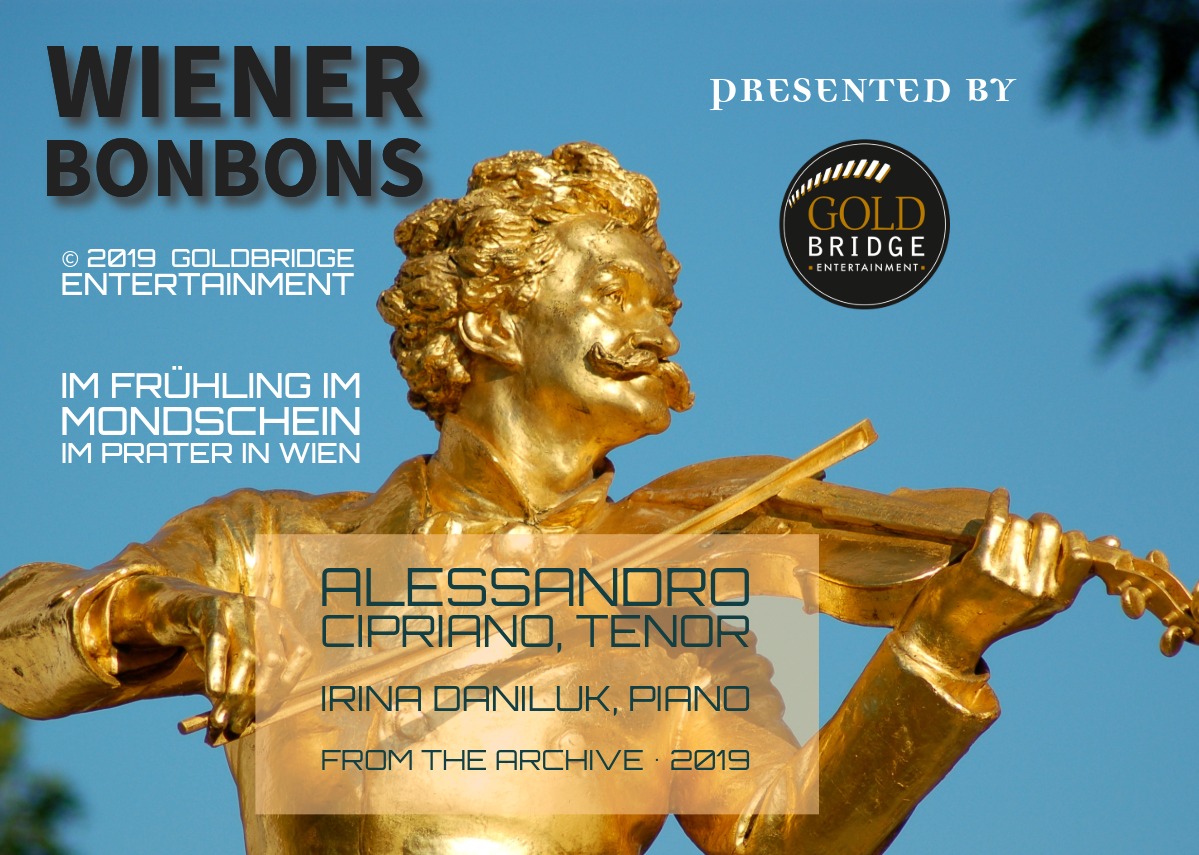
Wiener Bonbons
The songs I carry with me
Click to enlarge ↗
Vienna has given the world so much music. And while opera has always been an important part of my life, there is another musical world that I hold just as dearly: the Wienerlied and the wonderful tradition of operetta.
I love their melodies, their humour, their melancholy and, above all, their wonderfully expressive, almost pictorial language. A few lines can make you smile, touch your heart or bring an entire scene to life. I have always loved singing this repertoire, and I want to help keep it alive.
Whenever I am in Vienna with friends, we often visit a traditional Heuriger. If musicians are playing, they are usually delighted when someone joins them in song. We sing Viennese songs and operetta melodies together — the kind of music that once belonged so naturally to the city’s social life.
These moments have become increasingly rare, and that saddens me. I remember an evening many years ago when a group of visitors from Hanover requested songs such as Hoch auf dem gelben Wagen and Eviva España. There is nothing wrong with enjoying those songs. But in that setting, in Vienna, my heart sank a little. I thought of the extraordinary local repertoire that deserved to be heard there, too.
The Evening the Garden Fell Silent
Another evening remains especially vivid in my memory. We were sitting in the large garden of a Heuriger. Two musicians I remembered from earlier years were playing — one on the accordion, the other on the violin. Before long, we began to sing together.
The garden was full, with many young people among the guests. There was also a married couple visiting from Frankfurt. As I sang the first note, something remarkable happened: the conversations stopped, and the whole garden fell quiet. People listened, visibly delighted. Even the manager came outside, astonished by what was happening.
Afterwards, the couple from Frankfurt came over to thank me. They were celebrating their silver wedding anniversary — twenty-five years of marriage — and told me that this unexpected moment of music had made their evening perfect. For them, it had been a glimpse of the real Vienna.
That touched me deeply. I had not set out to perform. We had simply made music together, as people once did so naturally. Yet for a moment, a violin, an accordion and a familiar melody brought an entire garden together.
For me, that is the magic of the Wienerlied. Traditions may change, but as long as I can sing these songs, I want to keep a little of this wonderful heritage alive.
Some melodies deserve not only to be remembered, but to be sung.
Discover Wiener BonbonsThe Naschmarkt
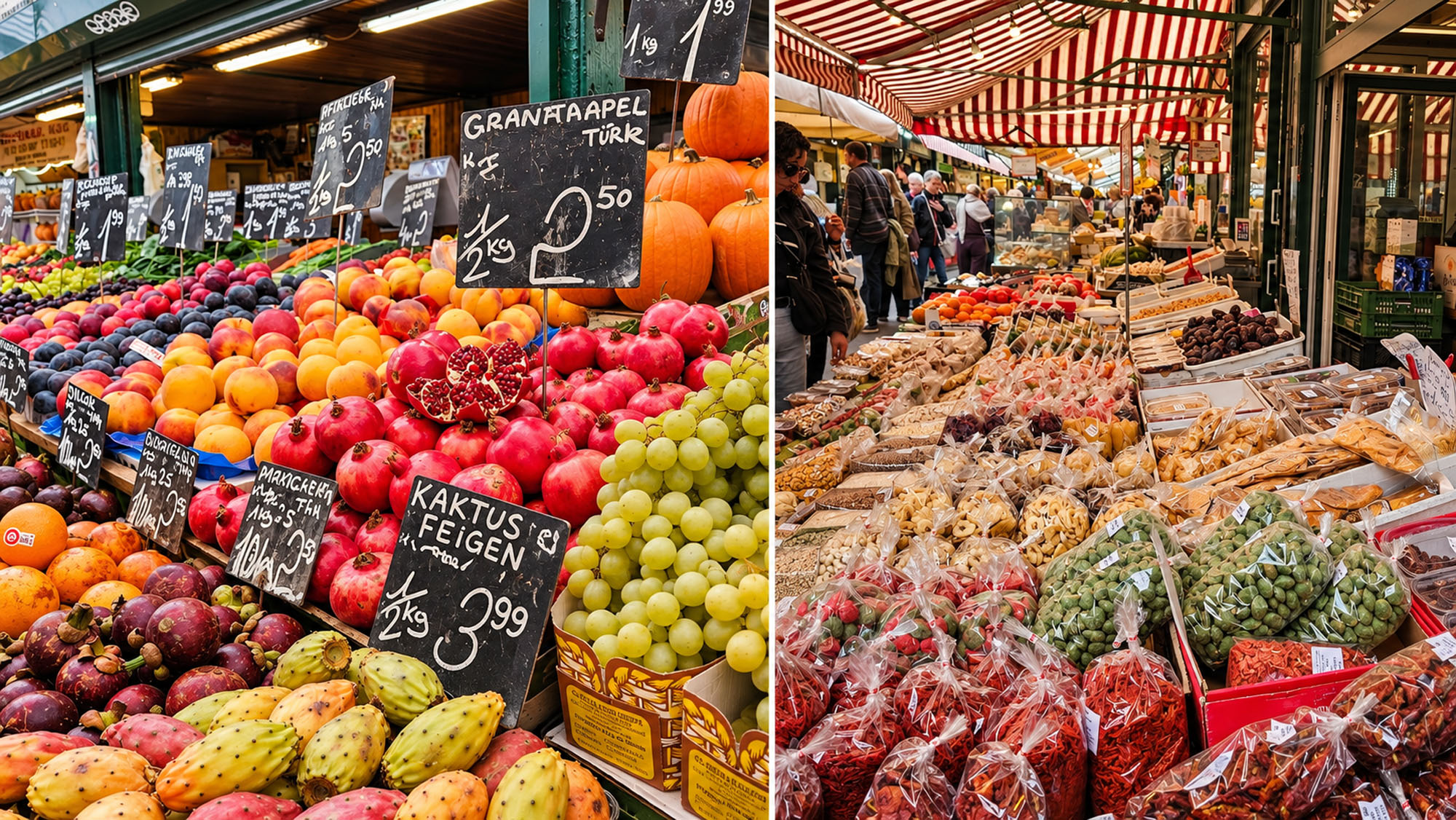
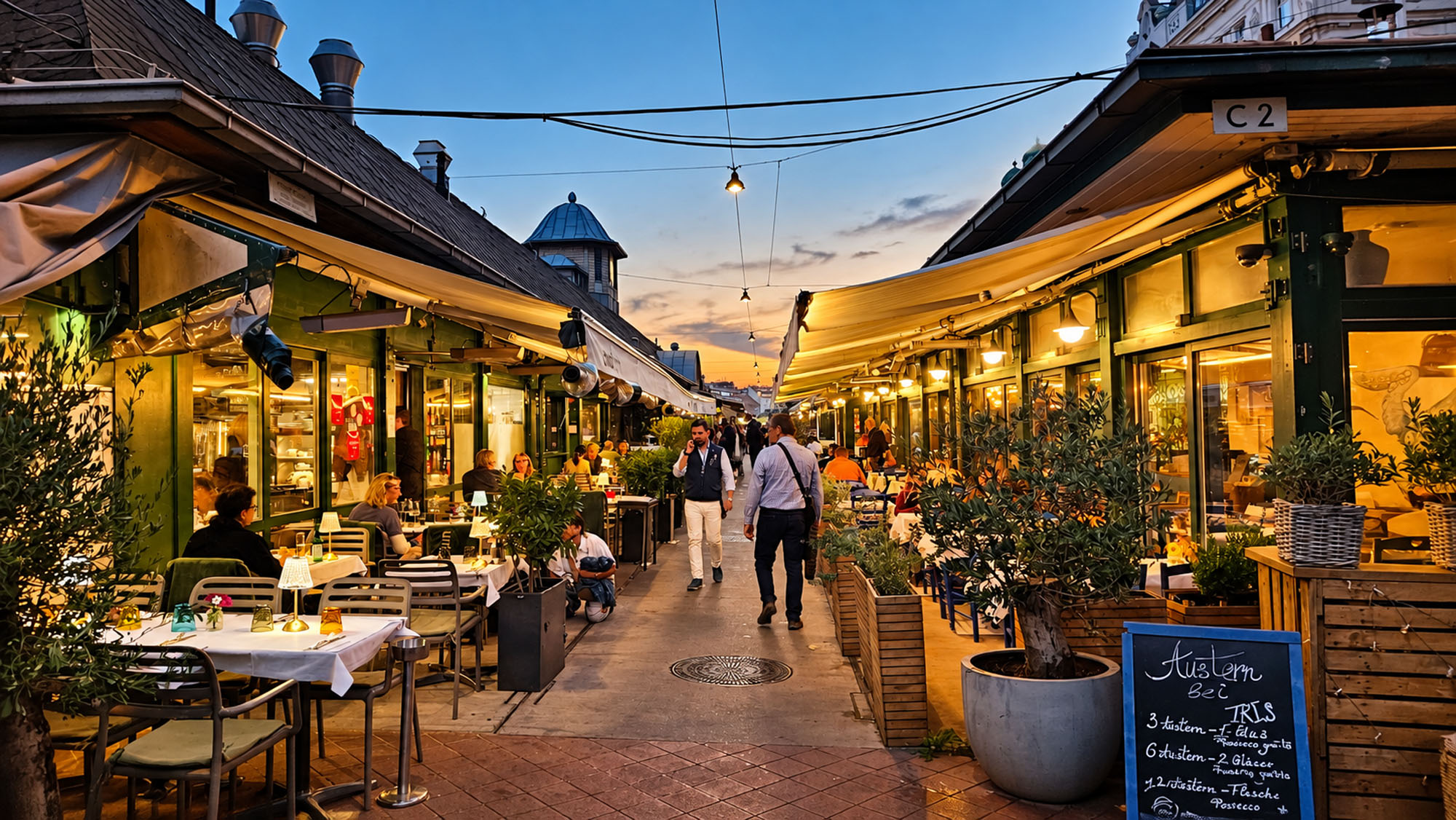
Sometimes the Naschmarkt makes me think of Marrakech.
Not because the two places are the same, but because of that wonderful energy: the colours, the aromas, the endless stalls, the voices and the pleasure of meeting people. A conversation begins, someone recommends something delicious, and suddenly an hour has passed.
I love that you can come here during the day or in the evening, wander, eat, drink and spend hours with friends. It is one of the places where Vienna feels especially alive.
Café Frauenhuber
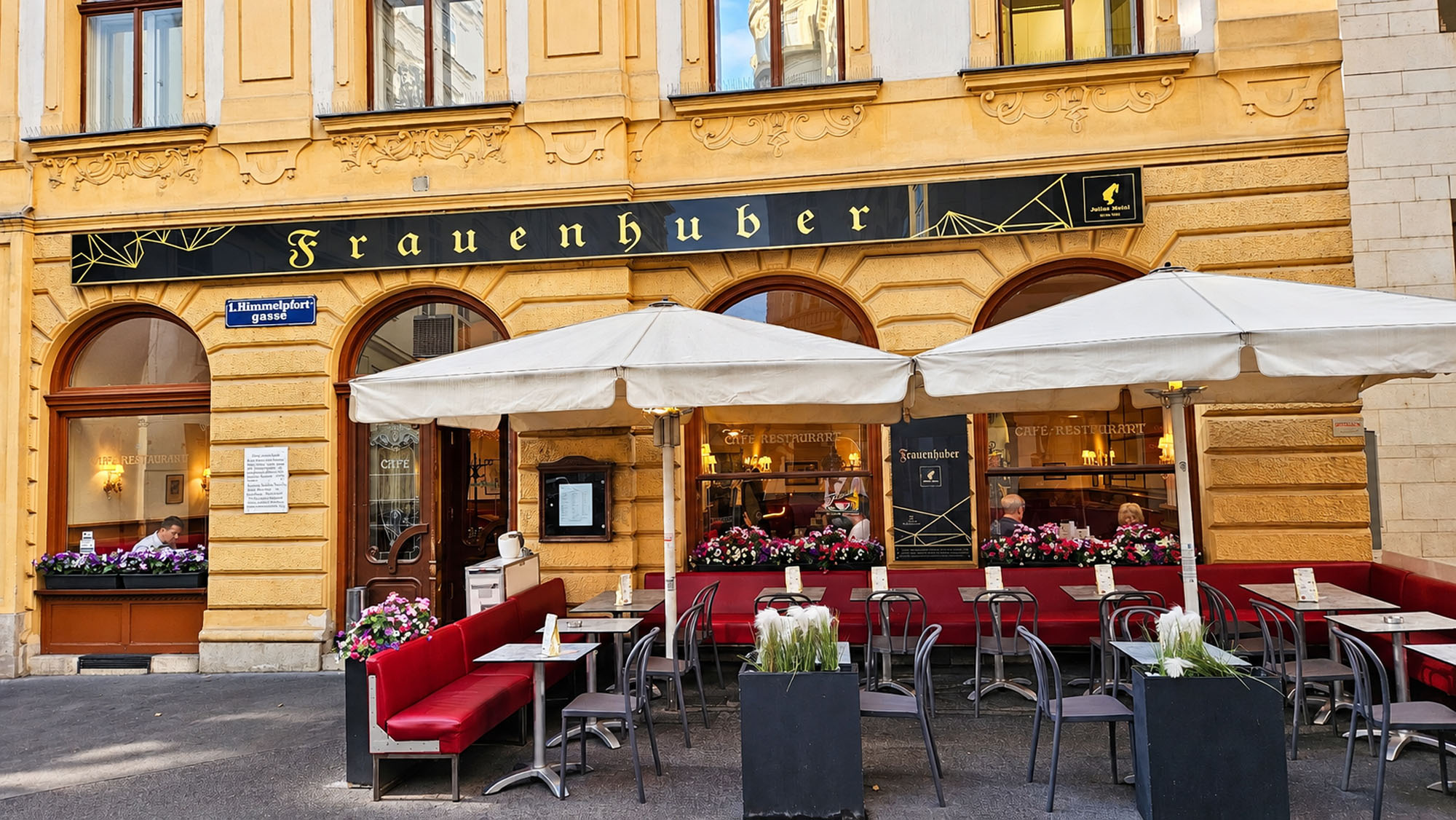
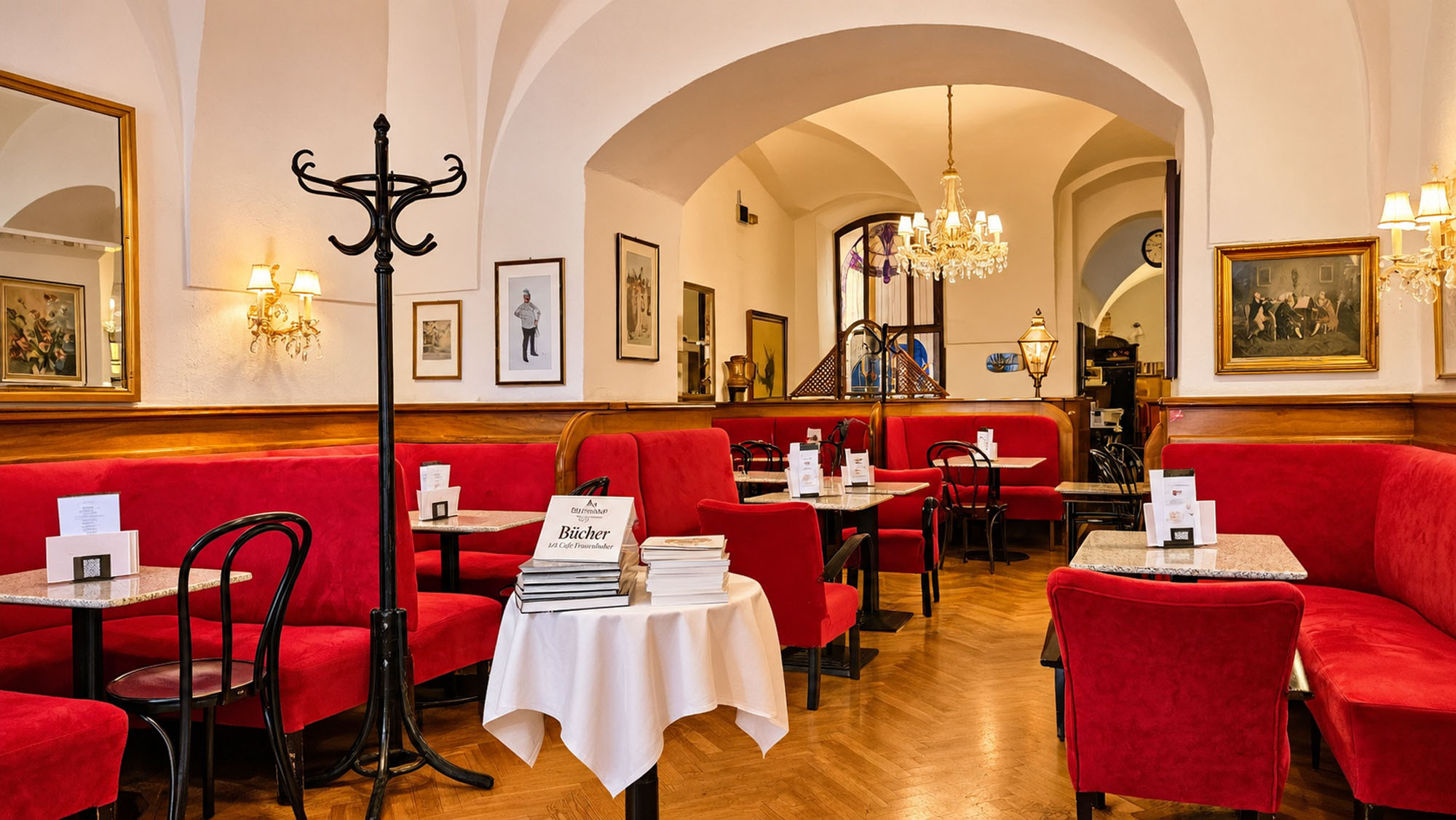
One of my favourite cafés in Vienna is Café Frauenhuber, at Himmelpfortgasse 6.
There is a special kind of pleasure in Vienna’s traditional coffeehouses. You arrive for a coffee, but what you really find is time: time to talk, to think, to watch the room and simply to be there.
What I love about Café Frauenhuber is that it does not feel like a tourist attraction. It is a place where I find peace, where some of the familiar staff have been part of the café for more than twenty years, and where I can settle in almost as though I were in my own living room. There is a sense of continuity, of stories quietly carried forward, and of the wonderful Viennese art of staying a little longer.